Architectural Framework for Modern Video Surveillance
Specifying video security across commercial real estate requires balancing network infrastructure with physics. Enterprise deployment success depends on evaluating camera form factors alongside underlying recording protocols. Whether planning a CCTV Installation in Kolkata or upgrading a multi-site campus, aligning hardware with physical layouts separates effective surveillance from wasted capital expenditure.

Recording Architectures: NVR vs. DVR Protocols
Camera hardware capabilities depend on the underlying system architecture. Modern deployments rely primarily on two recording models:
- IP Systems (NVR-Based): Digital cameras process video onboard and stream digital packets over Ethernet using Power over Ethernet (PoE). This setup supports AI Based CCTV tools, auto-tracking, and remote multi-site consolidation. Standard Ethernet drops reach 328 feet before requiring an intermediate network switch.
- Analog Systems (DVR-Based): Analog units send uncompressed signals over coaxial cable to a central Digital Video Recorder (DVR) for encoding. While coax runs reach up to 1,600 feet without repeaters, these systems lack native edge intelligence and multi-site scaling flexibility.
An NVR paired with IP hardware is the primary standard for enterprise builds. DVR setups remain useful mostly for retrofits that leverage legacy coaxial infrastructure. For detailed engineering resources, review the Global Prana Knowledge Center.
Form Factor Selection Across Operational Zones
Deploying the right enclosure to the appropriate zone ensures operational readiness under challenging environmental conditions.
Turret vs. Dome Enclosures
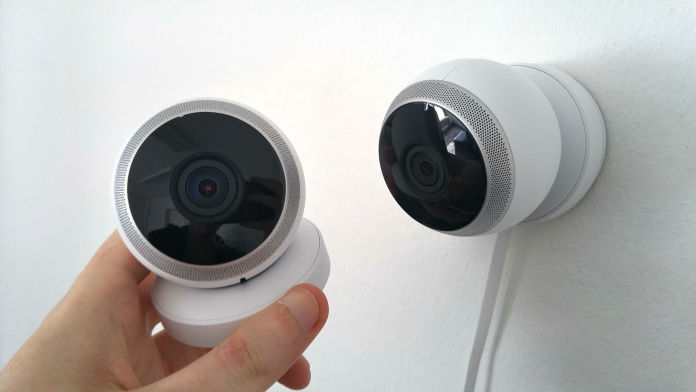
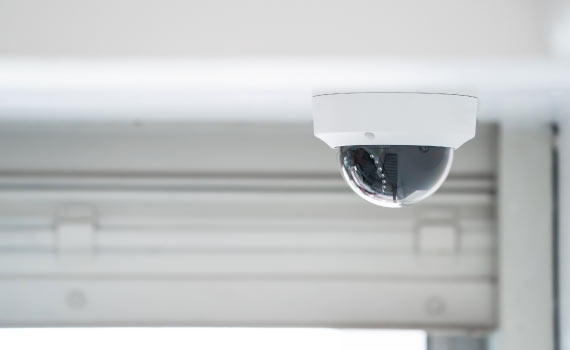
Dome cameras offer strong physical vandal resistance (IK10) and hide camera orientation. However, their spherical glass covers can create infrared reflection during night operation. Turret cameras separate the IR illuminator from the lens, eliminating night glare while offering simpler post-installation adjustment.
PTZ and Panoramic Deployments
Pan-Tilt-Zoom (PTZ) units excel in large perimeters when actively monitored or integrated with automated tracking software. Conversely, fisheye cameras provide 360-degree continuous coverage for open floor plans, reducing total hardware requirements while relying on software de-warping for situational awareness.

Bandwidth Calculation and Storage Engineering
Resolution directly drives storage architecture. High-definition 1080p sensors consume between 1 to 2 TB monthly per camera. Stepping up to 4K (8MP) sensors increases consumption to 3 to 4 TB per stream monthly under standard frame rates. A 16-camera 4K deployment requires 48 to 64 TB of dedicated storage capacity for a standard 30-day retention cycle. Deploying H.265 compression mitigates throughput overhead, but network capacity must be mapped prior to purchasing hardware.